
Article Summary:
When a dog develops a sudden limp, it’s important to promptly test for cruciate ligament injuries. Dog cruciate ligament injuries are common and often progressive. Early diagnosis and appropriate treatment can reduce pain, prevent arthritis, and improve long-term mobility.
When your dog suddenly starts limping, avoiding stairs, or crying out during normal movement, it’s alarming. You may hope it’s just a minor strain, but for many dogs, these signs point to a dog cruciate ligament injury, one of the most common orthopedic conditions we see at TruVet. Left untreated, this injury can lead to chronic pain and long-term joint damage.
Let’s walk through how cruciate ligament injuries are diagnosed, what treatment options exist, and how timely care can protect your dog’s comfort and mobility.
What Is a Dog Cruciate Ligament Injury?
The cranial cruciate ligament (often called the CCL) stabilizes the knee joint. In simple terms, it keeps the thigh bone and shin bone moving correctly together. When this ligament tears or ruptures, the knee becomes unstable, painful, and inflamed.
Common signs include:
- Sudden or worsening limping
- Difficulty rising or jumping
- Sitting with one leg extended
- Decreased activity or reluctance to play
According to the American College of Veterinary Surgeons, cruciate ligament disease is one of the leading causes of hind-limb lameness in dogs.
How Dog Cruciate Ligament Injuries Are Diagnosed
Diagnosis starts with a physical exam. Your veterinarian assesses joint stability, swelling, and pain response. Because dogs tense their muscles when uncomfortable, imaging often plays a critical role.
At specialty hospitals like TruVet, diagnosis may include:
- Orthopedic examination to assess joint movement
- X-rays to evaluate inflammation and rule out fractures
- Advanced imaging, when needed, to guide treatment planning
Early diagnosis matters, as prolonged instability increases the risk of arthritis and permanent joint changes.
Treatment Options: Surgical and Non-Surgical
Not every dog requires surgery, but many benefit significantly from it. Treatment decisions depend on size, activity level, age, and severity of injury.
Conservative management may include:
- Strict rest and activity restriction
- Pain management and anti-inflammatory medication
- Weight control and muscle strengthening
While conservative care may help smaller or less active dogs, it does not restore knee stability.
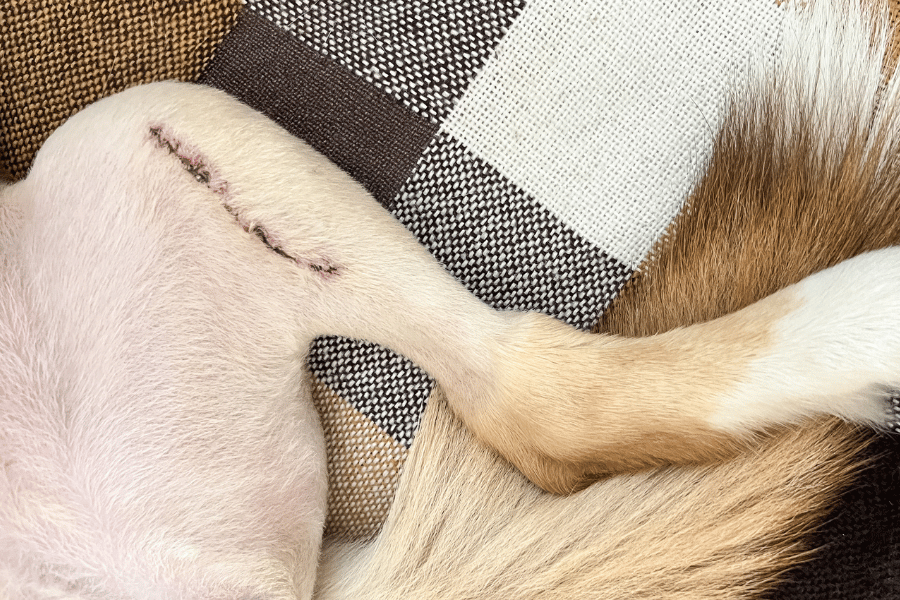
Surgical options, such as TPLO, aim to correct the instability itself. This surgical stabilization offers better long-term comfort and mobility for most medium to large dogs.
Risks of Delaying Proper Treatment
Waiting too long or relying solely on rest can lead to missed opportunities for recovery. Ongoing instability often causes:
- Progressive arthritis
- Muscle loss
- Increased risk of tearing the opposite knee
These changes can limit surgical success later and impact your dog’s quality of life.
When to Seek Specialty Orthopedic Care
If your dog has persistent limping, sudden non-weight-bearing, or recurring knee pain, it’s time to consult an orthopedic team. Early intervention allows for clearer treatment options and better outcomes.
Restore Your Dog’s Health and Mobility
A dog cruciate ligament injury doesn’t have to define your dog’s future. With the right diagnosis and treatment plan, many dogs return to comfortable, active lives. If your dog is showing signs of knee pain or instability, contact TruVet, serving Petaluma, CA and surrounding areas, to discuss diagnostic and treatment options with our experienced team.